Voyages Extraordinaires · No. 2
The Adventures of Captain Hatteras
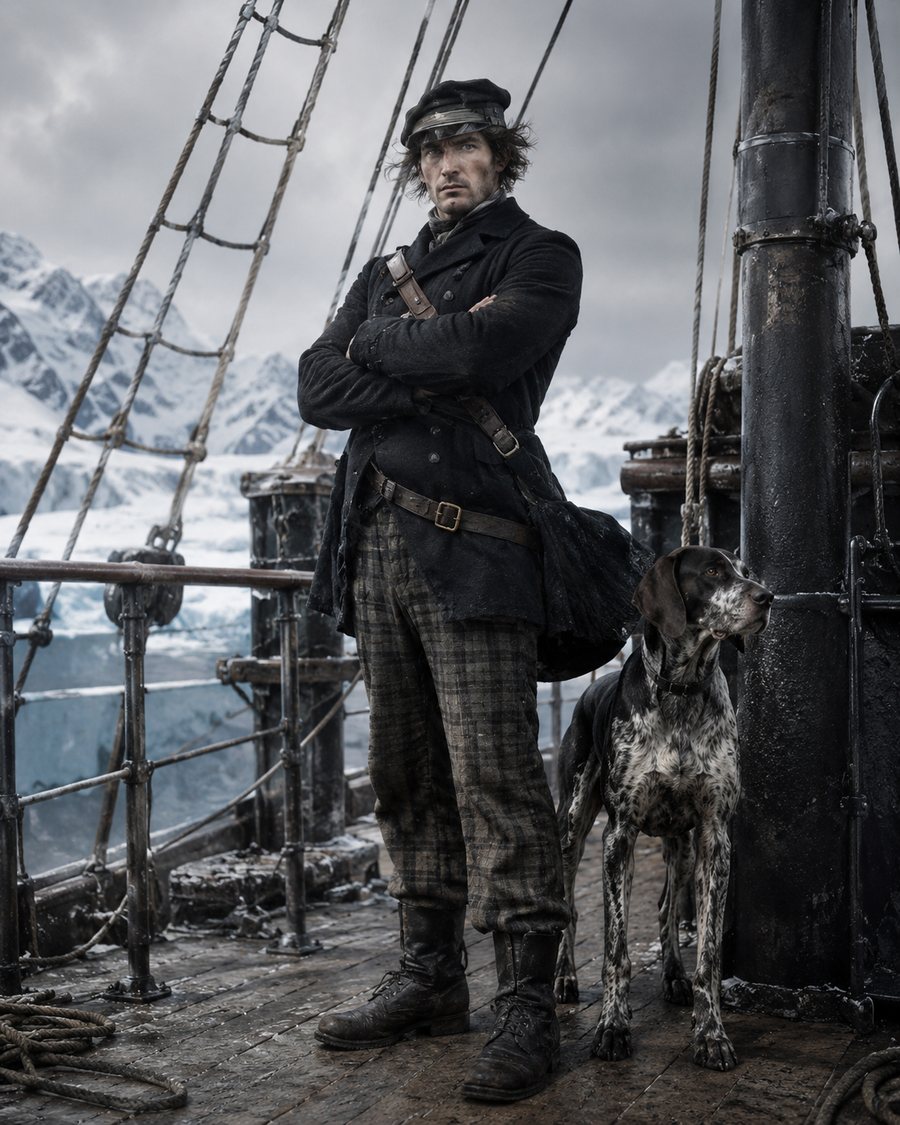
In the icy corridors of the Arctic, where the sun vanishes for months on end and the sea itself turns to solid rock, there are men who see not a wasteland but a challenge—the last great riddle of the globe. John Hatteras, captain of the brig Forward, is such a man. His obsession is singular and absolute: to be the first to reach the North Pole, to tread upon a point that no human foot has ever touched, to plant his nation's flag at the very apex of the world. From the opening pages, it is clear that Hatteras is no ordinary commander. He is driven by a fire that burns cold, a determination so fierce that it borders on the inhuman, and his ship and crew exist only in service to this relentless dream.
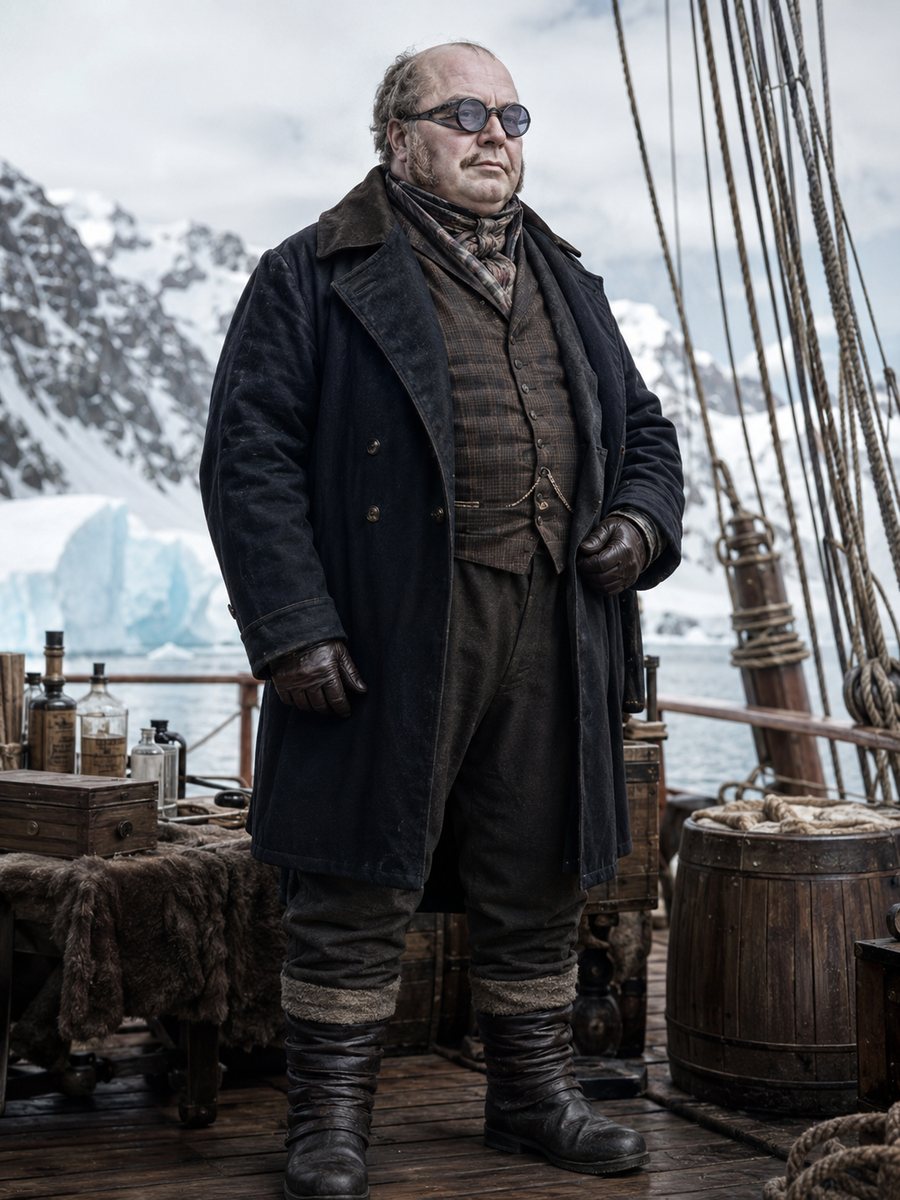
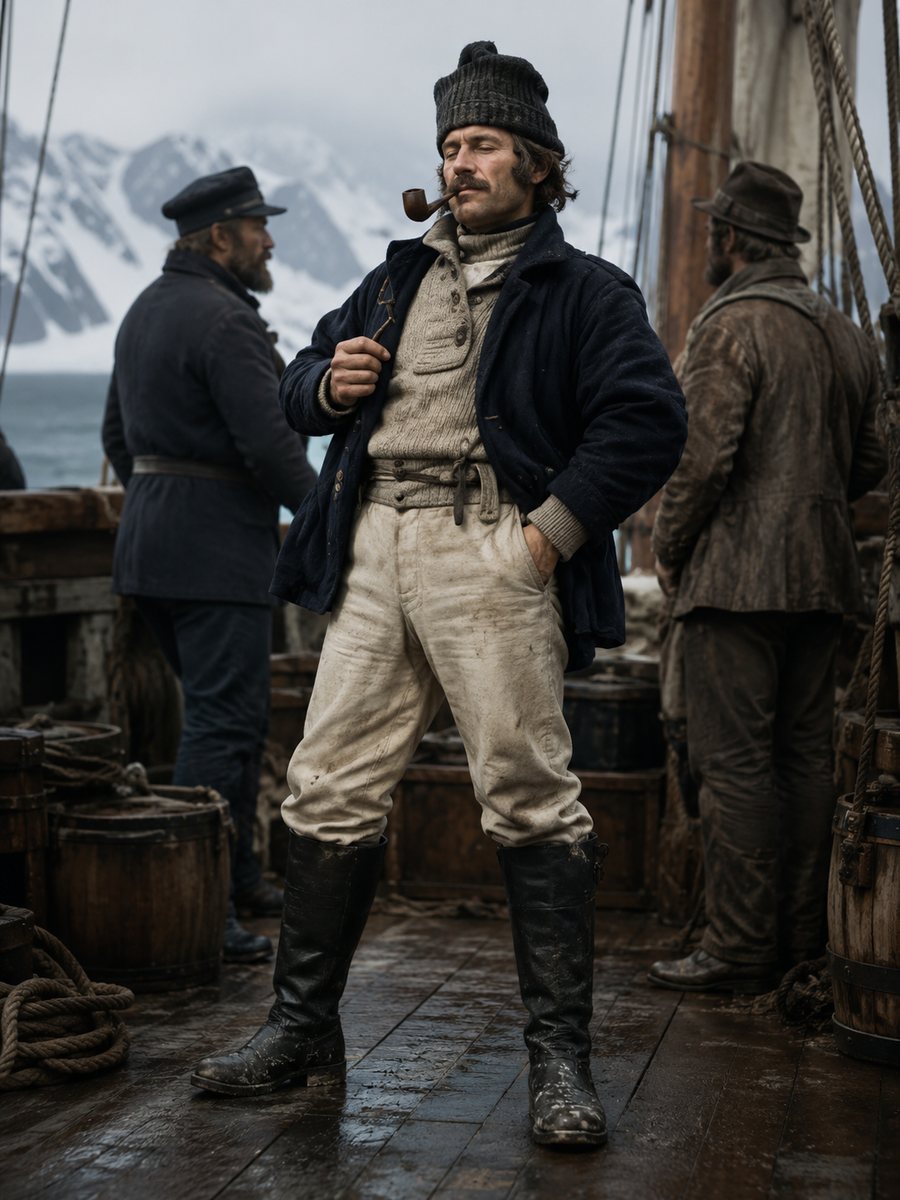
The Forward departs from Liverpool under circumstances as mysterious as its captain. The crew has been promised generous pay, but the ship's ultimate destination remains hidden, known only to Hatteras and his second-in-command, Richard Shandon. The men grow uneasy as the vessel pushes northward beyond the familiar whaling grounds, into the labyrinth of icebergs, floes, and narrow channels that guard the polar basin. Tensions simmer below deck—whispers of mutiny, doubts about the sanity of their leader, the creeping dread of the Arctic night. And yet, there is something magnetic about Hatteras, a quality that keeps even the sceptical from open rebellion. Among the officers stands Dr. Clawbonny, the ship's physician, a man whose boundless curiosity and gentle disposition make him the moral anchor of the expedition, and whose scientific enthusiasm stands in stark contrast to Hatteras's brooding intensity.
As the Forward penetrates deeper into the frozen kingdom, the landscape becomes ever more surreal and perilous. The Arctic reveals itself not as a barren emptiness but as a world of terrible and austere beauty: mountains of ice that shift and groan in the darkness, skies illuminated by the ghostly dance of the aurora borealis, vast plains of snow that stretch toward horizons where no map has drawn a line. The crew faces scurvy, frostbite, dwindling supplies, and the constant threat of the ice closing in to crush the ship. And beyond these tangible dangers lies the psychological weight of the polar solitude—the knowledge that they are utterly alone, beyond help, beyond rescue, at the mercy of a world that does not wish them to succeed.
The Adventures of Captain Hatteras is among Verne's most intense and psychologically complex novels. It is a story about the cost of ambition, the fine line between heroism and madness, and the strange brotherhood that forms among men who face extremity together. Hatteras himself is a figure of tragic dimensions—a man who has sacrificed everything for his goal and demands the same from everyone around him. Through his journey into the white silence of the pole, Verne explores the limits of human endurance and the question of what it truly means to conquer the unknown. The novel is both a gripping adventure and a meditation on obsession, wrapped in the merciless, dazzling beauty of the Far North.