PROLOGUE
1
Tangier, December 7
Fatima raised her eyes, which for moments had remained fixed on her own trembling hands, and looked at him. The man standing before her returned her gaze with a timid hint of a smile. For some reason—call it instinct, a sixth sense, or intuition—that stranger inspired trust in her.
And yet…
"What the hell am I doing here?"
That was the first question that crossed her mind as she tried to calm the muscles in her body, which trembled as if they had a will of their own.
"What the hell am I doing here?"
The thought echoed again somewhere in her mind, while her heart seemed on the verge of bursting from her chest, pounding hard and fast.
The setting for that furtive meeting could not have been more unsettling: a narrow alley lost within the Medina of Tangier. Being a woman and standing there alone entailed a risk, for in a world increasingly poisoned by issues that, in her view, were more political and driven by convenience than genuinely religious (even though weak minds could be incited by striking those fibers that reach deep into the psyche), failing to “fit in” within certain environments could prove extremely dangerous…
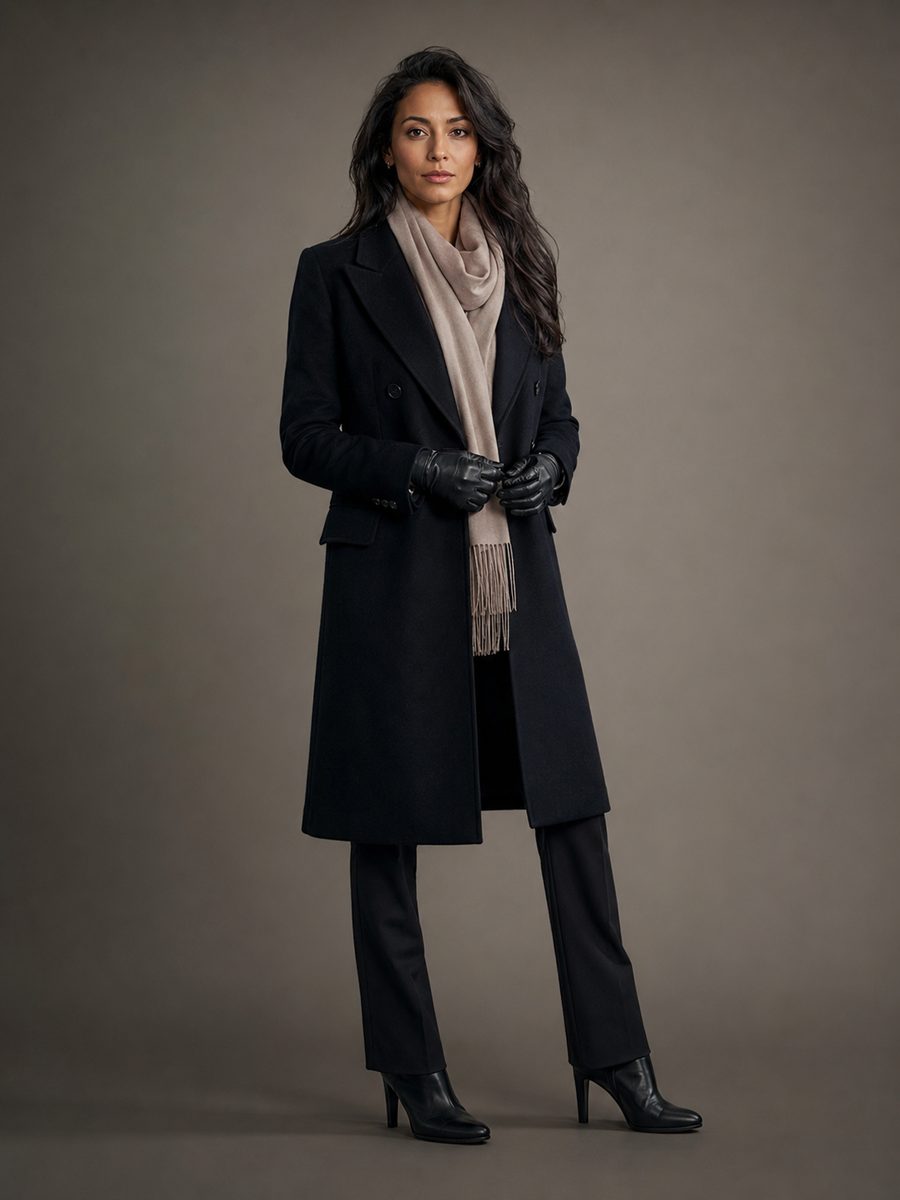
To avoid complications, she had dressed according to the most conservative customs, wearing that outfit she loathed—an embodiment of everything she strove to oppose: the black burqa that wrapped her from head to toe, her face concealed behind a veil. The only thing the oppressive garment revealed were her eyes, as if she were meant to be ashamed of her very being—as if she were expected to feel sinful simply for having been born a woman!
Fatima arrived at the agreed location just before five o’clock. She spotted him the moment she crossed the threshold of the nondescript storefront whose address she had easily found on Google Maps. His bearing and features were imposing; she had no doubt he was the buyer who had offered an absurd sum of money for her “treasure.”
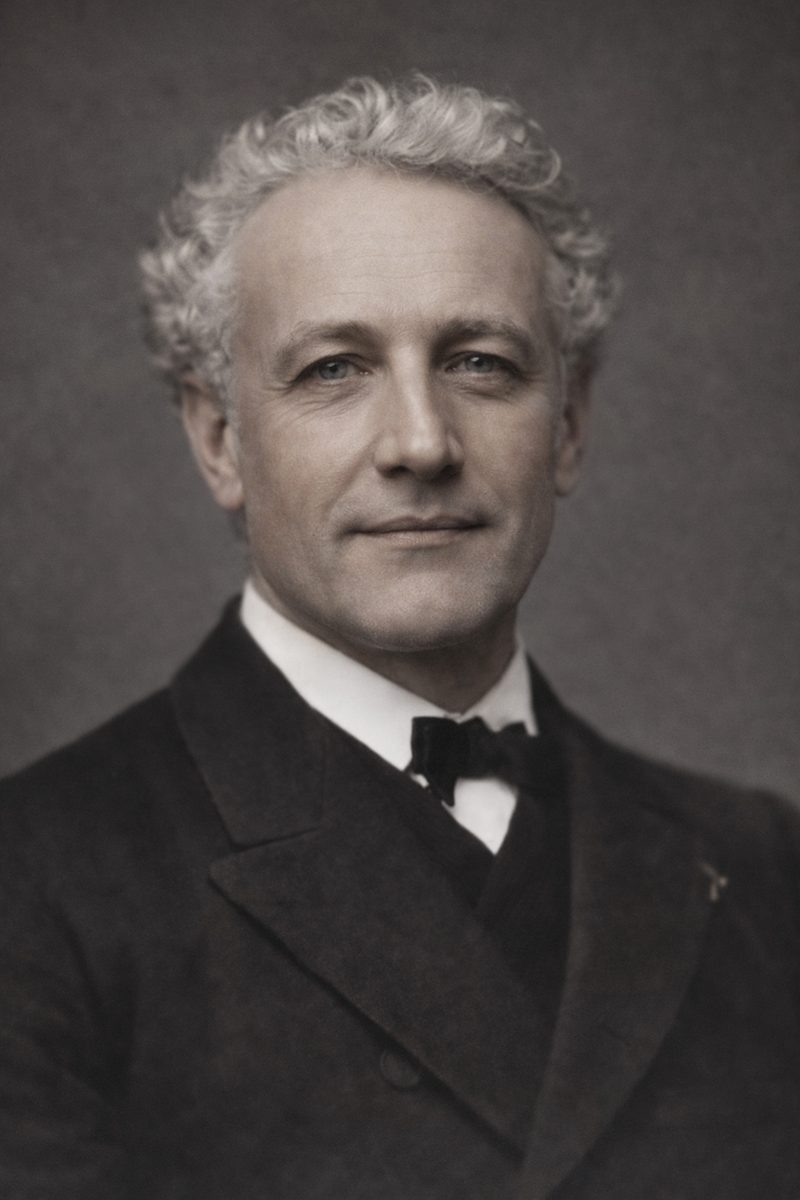
The man seemed surprised to see her dressed that way. His face, of indeterminate age—perhaps fifty—remained calm, while his eyes, expressive and strikingly beautiful, probed deep into her soul.
With an almost imperceptible gesture, the shopkeeper—an Arab man with a friendly smile but a suspicious gaze—invited them into the back room and lowered his eyes as though he intended to see nothing at all. It was not the first time transactions of that sort had taken place in his shop: the trade in secrets was a lucrative part of his business.
"Mademoiselle, the object, please," the buyer said in French once they were out of sight of the rest of the world. His voice was imbued with a magnetic force that Fatima immediately sensed: he was a singular being, radiating an enveloping energy. For a second, she was unable to react, silently asking herself:
"Who is he? Where do I know him from?"
Steadying her trembling hands, she pulled from her bag a wide-mouthed chalice, about twenty centimeters tall, golden—though dulled by the centuries—crafted from what appeared to be a bronze alloy. She slowly placed it on a table in one corner of the back room. The buyer devoured it with his eyes, which gleamed with a peculiar spark.
"From where? From where do I know him?"
2
Once again—as she had all afternoon—Fatima questioned why she had agreed to do this, why she had agreed to be there.
A promise… a promise—and those damned chauvinistic laws!
A week earlier, a woman had walked into her office. Her face, the despair that cloaked her like a somber shroud, and the defeat screaming from her deep-blue pupils told Fatima everything she needed to know. Another victim.
With tears streaming down her cheeks and anger burning in her heart, Fatima listened as the woman recounted how her husband had been murdered in cold blood, leaving her a widow with a teenage daughter. Under the laws of her country, as a woman she had no right to inherit—neither she nor her daughter! Not even after having worked her entire life to build a modest fortune, which would now fall into the hands of the men—if such scoundrels could even be called that—of her husband’s family.
After the sudden and mysterious death, the family home—a valuable property near the beach—was claimed by the husband’s only brother: a “devout religious man” who could recite his sacred books from memory, yet who cast them out onto the street without remorse, appropriating every last cent that her husband and she had saved over the years. All perfectly in accordance with “the law”!
The law. “Defined as the instrument used by the powerful to subjugate the weak and silence their critics, under the pretense of seeking order and justice.”
Fatima had learned that maxim at a very young age, watching injustice repeat itself everywhere. The law. Whose law? Approved by whom? With what intention? It was no secret that, regardless of the political system, laws are tailored to those who can pay for them, or to the whims of whatever petty dictator or king happens to rule. Even in so-called “democracies,” legislators serve the highest bidder.
Unjust or not, the law was the most important part of her life.
Her mother was a Dutch lawyer; her father, a Moroccan lawyer and diplomat. Enjoying a position of privilege uncommon in her country, she studied Law in the Netherlands and specialized in Human Rights and Women’s Rights at the University of Navarra. Upon completing her studies in Europe, Fatima Malik-Oberstend—now a prominent attorney ready to face the world—returned to Morocco, the land of those injustices, the place where her conscience told her she had to be. Together with her mother, she founded a non-governmental organization dedicated to assisting women. Though it did not strike at the root of evil, it changed some lives and replenished her energy to continue the fight.
With her face bathed in tears—for although the widow’s story was all too common in her country, she always ended up crying—she assured her new client that she would do everything in her power to help her.
Djemma, the widow, then handed her the chalice: the only thing she had managed to save from her fortune, her sole hope of obtaining some money. When Fatima saw it, her heart tightened with sadness, unable to understand how that object—a worthless old cup—could be of any help. But she kept her promises.
The following weekend, she crossed the short stretch separating Spain from Morocco aboard the Tangier–Málaga ferry, a journey she made often to regain her strength and breathe air untainted by oppression. She carried the widow’s chalice so that a friend could assess its value. The reaction of the expert—a jeweler and antiques dealer in Marbella—left her stunned. The chalice was old. Very old.
“This could be worth something. I’ll tell you what we’ll do, Fatima,” her Spanish friend said. “I’ll send a WhatsApp to my contacts and list it on a couple of websites. I wouldn’t be surprised if a buyer shows up.”
At those words, hope returned to her spirit, and a faint smile touched her lips. Three days later, at ten o’clock, her phone rang.
“I’ve sold it! I’ve sold it!” the Spaniard exclaimed excitedly. He then explained that a buyer from Dubai had offered an extraordinary price and would be traveling to Tangier that very afternoon. The meeting had been arranged for five o’clock in the Medina, where, in one of the shops, a trusted contact would protect her during the transaction and ensure she received her money.
Now, seven days after the chalice had come into her possession—and seven hours after her antiquarian friend’s call—Fatima found herself in a cramped back room, risking her life amid multicolored fabrics and imitation Louis Vuitton handbags.
All to keep a promise.
Wary now that she knew the value of the singular treasure, she watched the buyer as he examined the chalice with piercing eyes that seemed to conceal hermetic mysteries. He studied it for a minute, perhaps two, from above, from below, and from every side—there was not a millimeter of bronze that escaped his probing gaze. With the tips of his fingers, he caressed a mark, an incision at the base of the cup, and just as a tear threatened to escape her eyes, he smiled.
“Grazie, grazie… Je vous remercie…” he said, blending French and Italian, betraying his origins in a tone that did not conceal profound emotion. Without ceasing to caress the chalice with his soul, he produced an envelope containing the agreed sum—twenty thousand euros, a small fortune in exchange for an old cup—with which Fatima would help the poor widow.
3
While Fatima accepted the envelope and confirmed its contents, the man with the penetrating eyes withdrew into the depths of his mind, experiencing a happiness he had not felt in centuries. He had searched for it all over the world. It had been there, in the infinite, lost for who knows how long… and today, at last, he had found it.
For millennia, the bronze chalice had been the most prized object of the entire race of prophets—individuals endowed with the strange ability to perceive waves in the ether and interpret the future of this wretched humanity. He was grateful it was not made of gold; otherwise, long ago it would have been melted down to become part of some king’s crown, a bishop’s ring, or a mafioso’s or politician’s bullion bar, sunk deep in the secret vault of a bank in Switzerland or Luxembourg.
When, on December 7, at seven in the morning, his algorithms detected the auction, his heart skipped at least two beats. For years, his programs had scoured the Internet—that strange compilation of everything ever thought and written in history, lost amid the irrelevant thoughts of a mass armed with smartphones and an enormous hunger for fame and attention—until that sweltering morning in Dubai, when a message announced the long-awaited match.
December seventh. Seven in the morning. Seven, twelve, seven…
He was no stranger to the power of numerology; he knew numbers were the language of the infinite.
"The science of numbers and the art of the will are the two keys to magic; they open all the doors of the universe," as taught by the truth Pythagoras learned from the priests of Memphis.
That combination did not escape his intellect: the infinite was speaking, and his duty was to listen.
He contacted the Spanish jeweler handling the auction. Starting at five thousand euros, it already had a bid of eight thousand—someone else was interested in the chalice. “Who else could be bidding? And why?”
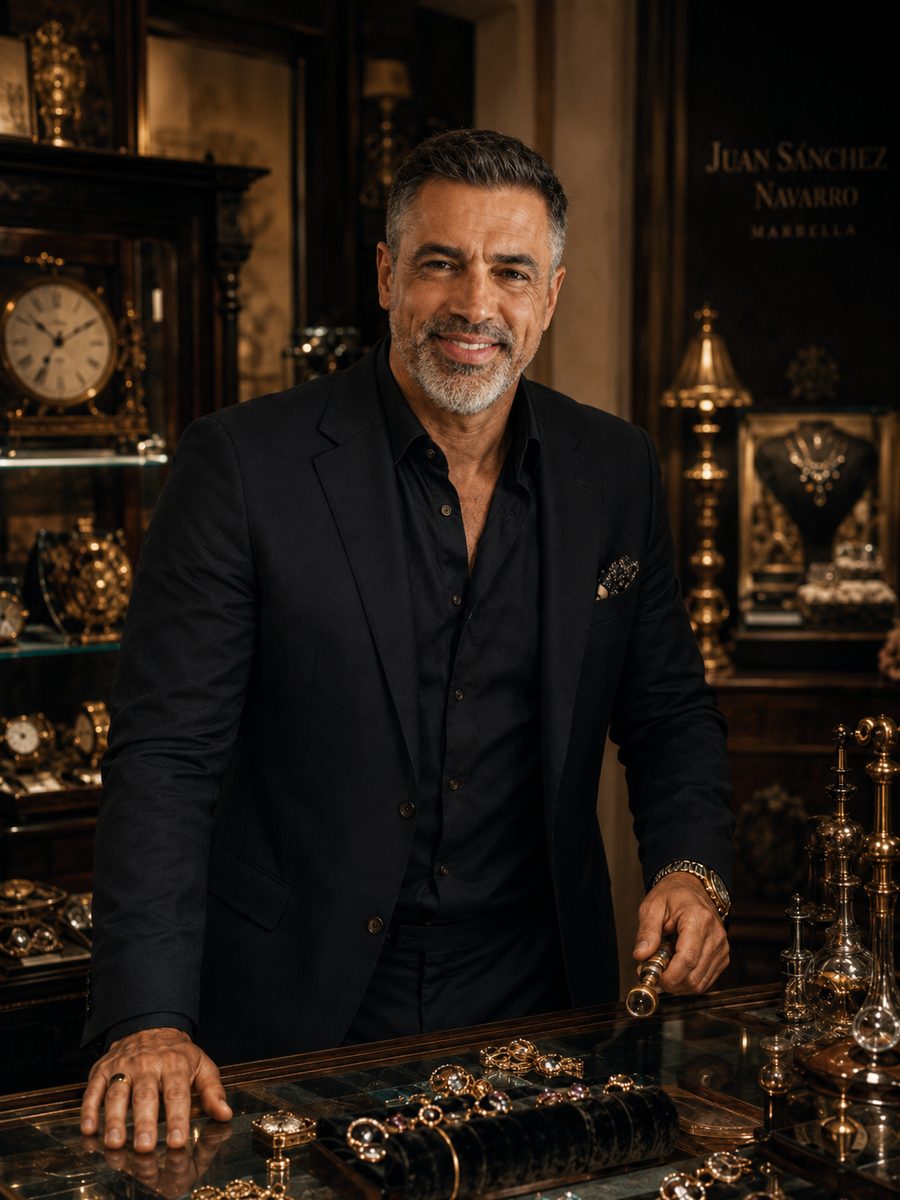
“Good afternoon, am I speaking with Mr. Sánchez Navarro?”
“Yes, this is Juan Sánchez.”
“Thank you, Mr. Sánchez. My name is Piero Vinci,” he said in flawless Spanish. He still smiled every time he said it. He was shouting to the world who he was, and yet not even in their wildest dreams would anyone have imagined the truth.
Leonardo di ser Piero da Vinci—his name many centuries ago.
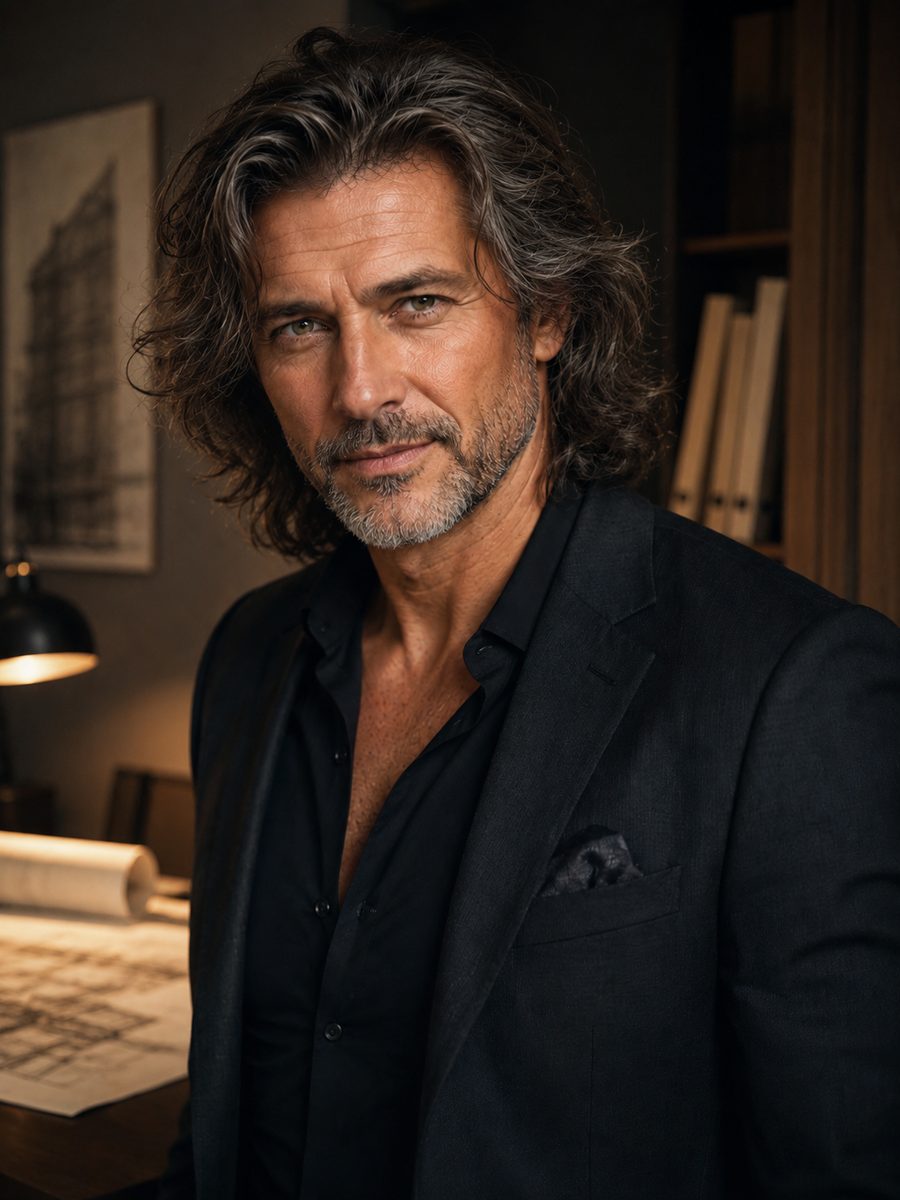
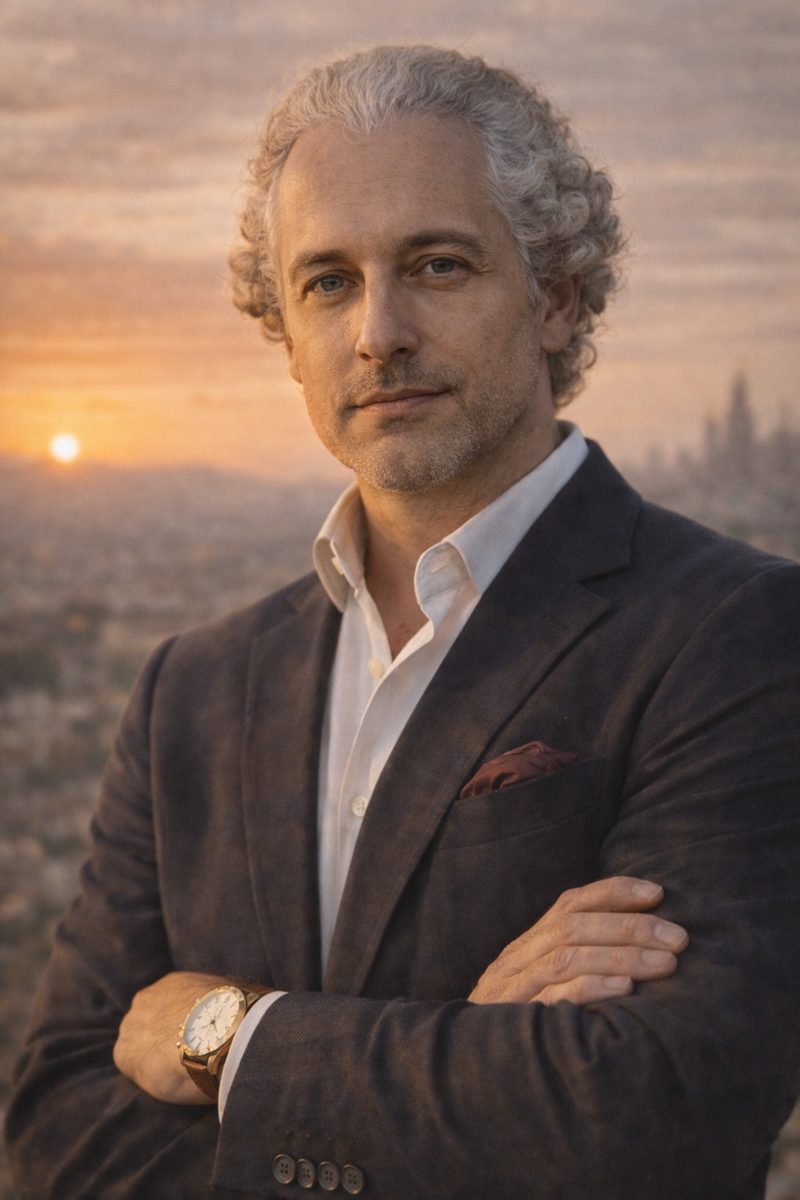
Architect Piero Vinci, in this life.
“Piero Vinci? The architect?” Sánchez asked, surprised.
“Why, do you know me?”
“And who doesn’t? Architect Vinci, allow me to say you’re speaking with an admirer. The beauty of your buildings, the clarity of every line, every detail. I’m a diamond cutter, and I swear your buildings seem designed with the precision and beauty of a diamond.”
“Thank you very much, I’m flattered,” he replied, serious but pleased. He designed his buildings with such care that it was no accident he was considered the best architect in the world, even if not many truly appreciated that art.
“And tell me, Mr. Vinci, to what do I owe the honor?”
“You are auctioning a chalice,” Leonardo stated.
“Yes, yes, bronze, very beautiful, very old, and—”
“I want it.”
“But, Mr. Vinci, the problem is—”
“I want it. Money is not a problem. Nothing is a problem.”
The jeweler carefully weighed his next words.
“You see, you must understand that the opening price was… to test the market. We know it’s very, very valuable, and we’re hoping to reach a very high price at auction.”
“How much?”
He had told the consignor they’d be lucky to get ten thousand euros, fifteen if some rich madman showed up. He decided to test just how badly Vinci wanted that chalice.
“Eighty thousand euros.”
Da Vinci did not blink. One million euros, one hundred million—no sum would have been too high.
“I’ll give you one hundred thousand if you end the auction now and tell me where and how to collect the chalice.”
Sánchez hesitated. He tried to decide whether the offer was real or some kind of joke.
“Too good to be true… there’s always a prankster.”
Piero Vinci, the most famous architect in the world. Could it really be him on the phone? He had nothing to lose by taking the risk.
“We have a deal,” Sánchez replied. “The bowl is in Tangier, Morocco. I’ll arrange with the consignor to bring it to Spain, we’ll do the paperwork, etcetera—it’ll take a few days. Shall we meet in Marbella next week?”
“What about this afternoon, in Tangier? The money is ready. Let me know whether you’d like me to transfer it now to your Santander account, or to UBS in Switzerland, to your Cayman Islands corporation account.”
Sánchez was stunned. No one knew about his Swiss account—much less his Cayman Islands corporation, which he had always believed anonymous and guarded as his greatest secret. Was this a trap by the tax authorities? For a moment, fear crept in. If they’d caught Messi and Cristiano… After a prudent silence, he replied in a very serious tone, that of a man accustomed to doing business.
“Mr. Vinci, I don’t doubt you’re a powerful man. I won’t question how you know about my accounts. I’m practical; let’s do this: transfer eighty thousand euros now to UBS—I assume you have the account number. The remaining twenty thousand you’ll bring in cash to Tangier. Are you familiar with the Medina?”
“Yes,” Leonardo said.
“Perfect. If I receive the money now, we’ll do it today at five. Make the transfer and call me back for instructions. Agreed?”
“Agreed.”
The jeweler hung up. He waited a few minutes, seated in his office, considering his next move. He still wasn’t sure he believed the story of Piero Vinci and his one hundred thousand euros. Then a particular beep sounded from software running on his laptop behind him. Transfer. He opened the screen.
Eighty thousand euros in his Swiss account.
The bastard is real.
The phone rang.
“Mr. Sánchez.”
“Yes, thank you, Mr. Vinci—confirmed. Five o’clock at shop number eleven, third quadrant. The owner’s name is Said; that’s where the seller will arrive.”
Da Vinci hung up. There was no farewell.
Sánchez stared ahead for another minute, deciding his next step. Then he dialed a number, not before changing his expression, as if assuming a new role.
“Fatima, how are you?”
“Hi, Sánchez, I’m fine, thanks. And you?”
“Excellent, beautiful, excellent. And with news!” he said, smiling broadly—noticeable even through the phone. “We’ve sold the chalice!”
“Really? Thank you, Sánchez, thank you! How much, how much, how much?” Fatima asked, excited.
“Look, a very, very difficult negotiation—but you won’t believe it! Remember I told you I might get ten or fifteen thousand euros? I got you twenty thousand! Incredible, right?”
“Fantastic! That’s wonderful!”
“Now, from that we need to deduct my fifteen percent,” Sánchez said, implying it pained him to charge it. “Actually, Fatima, you know I like you, and your father is a great client… give me ten percent and keep buying jewelry from me, as always, all right? Two thousand euros won’t hurt me—you know, the crisis.”
“Sánchez, you’re a friend! There are few good men left in this world, and you’re one of them. You’re helping a widow who truly needs it.”
“It’s nothing—that’s what we’re here for. One detail: the buyer wants to see you today in the Tangier Medina. He’ll bring the money in cash.”
“But—”
“He’s trustworthy, you won’t have any trouble, and the meeting place is safe. He’ll be at shop eleven in the third quadrant at five in the afternoon. You bring the chalice, he gives you the money, and when you can—on your next trip to Spain, no rush—you bring me my ten percent. After the transaction, Said will escort you home so nothing happens while you’re carrying that money.”
“Thank you, truly—you’re amazing! Let’s do it that way!”
“Great. Call me as soon as the transaction’s done so I know everything went smoothly, all right?”
“All right, I’ll call you—and thank you, Sánchez, thank you!” Fatima said.
When he hung up, a smile spread across Sánchez’s face. Then he made one final call.
“Said?”
“May Allah bless you, my friend Sánchez.”
“The same to you, my friend. We have a delivery. A guy will arrive at five to meet a woman—I’ll send you the photo shortly. I need you to provide security, as always, and make sure she gets the money and he gets the object he’s buying, and then escort her and protect her. The usual fee.”
He paused, leaned back in his chair, took a drag from a cigarette he had just lit, and exhaled a plume of smoke. He felt tremendously good about himself.
“Do me a favor, Said—record everything. I want to confirm the buyer is who he claims to be; the whole thing makes me curious.”
“My friend Sánchez, you can count on your Arab friend, as always.”
Sánchez smiled. Said’s accent and pomp always amused him.
“By the way,” the Arab continued, “tomorrow I’ll send my son to you with some little treasures that have just arrived from the south. Take a look at them and let’s talk price. You know, you know—I always send you the best, and that’s why we do business, my friend, good business.”
“Alright, my friend, I’ll let you go—I need to coordinate a few things, okay?”
He hung up and took another drag from his cigarette.
He considered himself a practical, intelligent businessman. He had secured far more than promised for his client. The extra eighty thousand were his commission for his extraordinary negotiating skills. He had read somewhere that human beings possess astonishing powers, but that some use them for evil, because once we discover what we’re capable of, a dangerous universe of possibilities opens before us… Not in his case! He was simply attentive to that universe of possibilities that presents itself to those who want to make a little money!
And what the hell would Piero Vinci want that bowl for anyway? Use it as a paperweight on his desk, because it makes him feel powerful? Or maybe he wants to design based on its curves… who knows!
“Bah! What do I care!” he exclaimed aloud. What did matter was that in ten minutes he had earned eighty thousand euros under the table, already sitting in his Swiss account.
“Excellent preparation for Christmas,” he thought. “After the holidays I’ll close up shop and spend all of January on vacation in Thailand. I’m long overdue for a maaassaaage at the hands of a beautiful Thai girl.”
4
In Said’s back room, there was no further ceremony.
Neither Fatima nor the buyer wished—nor were able—to utter another word. They walked in silence to the shop’s door. There, the man looked at her once more—with those eyes that, even if many years were to pass, she was certain she would never forget—took her hands in his, and with a gesture, for words seemed to have abandoned him, thanked her one last time. Then he left.
Fatima remained motionless, watching him walk away and dissolve into the crowd. Now she was certain—something deep within her screamed it—that the face of that enigmatic being was profoundly familiar to her…
Leonardo da Vinci moved through the narrow streets of the ancient Medina, his hands unable to release the chalice that had returned to him. But who was that woman? Why had she been in possession of it? Could she have been a modern prophetess, no longer wishing to bear the gift and thus ridding herself of the treasure? Unlikely. He had forgotten to ask, and now he would never know.
What mattered in that moment was to return to Dubai and begin the meditations. Twelve nights. On the thirteenth, the second ritual would begin for seven nights, and, if all went well, the visions would appear. Would it work after all those centuries? Would his powers remain intact? Would he still be a chosen prophet? he wondered. He would not know until he tried…
What he was certain of was that this was the work of destiny, for the moment of his final prophecy was drawing inexorably near. If the universe—or the Creator Himself—had placed the chalice in his path, it was because something terrible was about to happen. Leonardo wished with all his heart that there would still be time to prevent it.
Continue in the full book →
amazon.com · amazon.co.uk